

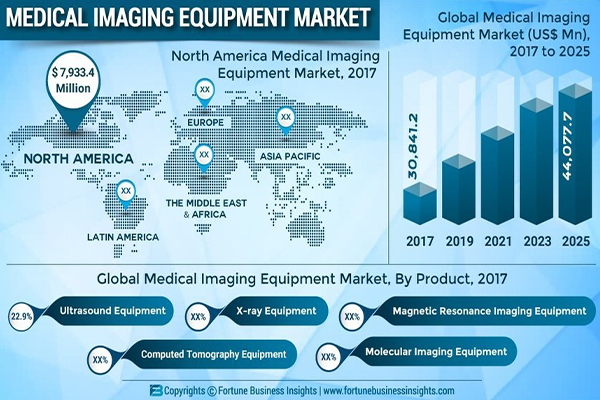
The global medical device market is expanding rapidly, driven by an aging population, increasing healthcare needs, and continuous technological advancements. For manufacturers looking to expand beyond their domestic borders, exporting medical devices offers significant growth opportunities. However, navigating the complexities of global markets comes with its own set of challenges, including regulatory compliance, market entry strategies, and cultural considerations. In this blog, we’ll explore key factors to consider when exporting medical devices and how to successfully enter international markets.
1. Understanding Regulatory Requirements
One of the most important steps in exporting medical devices is understanding the regulatory requirements in each target market. Different countries have unique regulations and standards for medical devices, and failure to comply can lead to delays, fines, or even bans on products.
For instance, in the United States, the FDA (Food and Drug Administration) regulates medical devices, ensuring that they meet safety and efficacy standards. In Europe, manufacturers must adhere to the EU’s Medical Device Regulation (MDR). Similarly, in markets like Japan and China, regulatory bodies have their own sets of rules for approval.
Before entering a new market, it’s crucial to conduct thorough research on the local regulatory framework, including product classifications, pre-market approvals, clinical trials, labeling requirements, and post-market surveillance obligations. Partnering with a local regulatory consultant or legal expert can help ensure that your products meet the necessary criteria for approval and market entry.
2. Market Research and Identifying Opportunities
Expanding into international markets requires careful market research to understand demand, competition, and potential customer needs. Researching the healthcare landscape, including the prevalence of diseases, available medical treatments, and the economic environment, can provide valuable insights into where your product will be most needed.
For example, emerging markets in Asia, Latin America, and Africa are experiencing rapid growth in healthcare infrastructure and are increasingly seeking high-quality medical devices. Understanding the local healthcare system, whether it’s predominantly private or public, can also inform your distribution and pricing strategies.
Additionally, evaluating the competitive landscape is key to identifying gaps in the market where your product can fill a need. Is there a shortage of certain medical devices in a specific region? Or perhaps local manufacturers have limitations in terms of quality or technology? These insights can help guide product positioning and marketing strategies.
3. Building Distribution Networks
A successful export strategy relies heavily on establishing strong distribution channels in foreign markets. Whether you choose to work with local distributors, set up your own sales office, or partner with international healthcare organizations, selecting the right distribution method is crucial to ensuring your products reach the intended audience.
Local distributors with experience in medical device sales can help navigate logistical hurdles and foster relationships with healthcare providers. These partners can also assist with regulatory compliance, marketing, and after-sales services. However, it’s important to vet potential distributors carefully to ensure they have a good track record and understand the local healthcare industry.
Additionally, consider the possibility of direct sales if you have the resources and want more control over pricing and customer relationships. This approach may involve setting up a branch office or establishing an online presence, depending on the market’s digital penetration.
4. Cultural and Economic Considerations
Cultural sensitivity and understanding local customs are key to successfully entering international markets. Tailoring your marketing, product design, and communication strategies to fit local preferences and practices can enhance the acceptance of your medical devices. For instance, product labeling may need to be translated into the local language, and culturally specific health concerns may require adapting the functionality of your device.
Economic factors, such as the local purchasing power and healthcare budgets, should also influence your pricing strategy. High-cost medical devices may face resistance in developing countries with limited budgets, so offering financing options or considering tiered pricing models may be necessary to appeal to these markets.
5. Logistics and Supply Chain Management
Shipping medical devices internationally requires careful planning to ensure timely delivery, safety, and cost-efficiency. The complexity of logistics increases when transporting medical products, as they may need to be temperature-controlled, secure, or packed in specialized containers.
It’s also essential to consider the various import duties, taxes, and tariffs that may apply to your products in different countries. Working with experienced logistics companies familiar with the medical device industry can help mitigate risks and ensure that products arrive safely and on time. Optimizing supply chains to avoid stockouts and delays is crucial to maintaining customer satisfaction and ensuring long-term success.
6. Ongoing Post-Market Surveillance and Support
Once your medical devices are in the market, regulatory agencies often require ongoing post-market surveillance to track their safety and effectiveness. Ensuring that you can provide technical support, product maintenance, and respond to complaints or adverse events is essential to maintaining a positive reputation and regulatory compliance in foreign markets.
Building a strong customer service infrastructure to handle post-sales queries and providing training to healthcare professionals on how to use your devices can contribute to their success and minimize risk.
Conclusion
Exporting medical devices offers significant opportunities for growth in global markets, but it requires careful planning and a deep understanding of regulatory landscapes, market demands, and logistical complexities. By conducting thorough market research, building strong partnerships, and ensuring compliance with local regulations, medical device manufacturers can successfully navigate the global marketplace. Embracing these strategies will help drive international expansion and ensure that your products make a meaningful impact on healthcare outcomes worldwide.